



How Massage Therapy Helps Mental Health
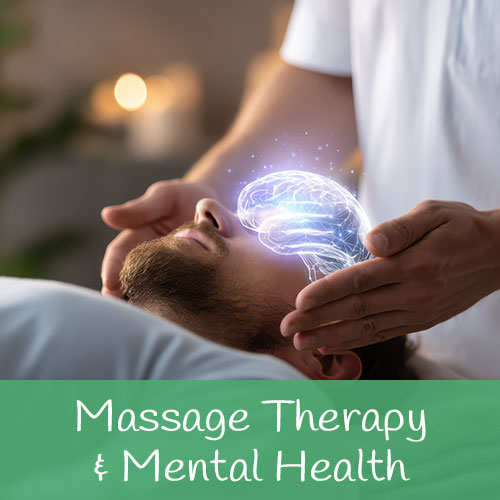
Most people think about booking a massage to relieve tight muscles, help sore muscles or relieve pain. But did you know the benefits of massage extend beyond physical relief? Massage therapy can play a significant role in supporting mental health. From reducing anxiety and depression to better sleep, massage can provide a range of benefits, whether it be physical, mental, or both.
Learn how massage therapy affects the mind, why it is gaining popularity in mental health care, and what you should know if you are considering massage to improve your emotional well-being.
The Link Between Body & Mind
Your mental health is linked to what is happening in the body. Stress, worry, anxiety, or sadness can manifest in your body as:
- Tight shoulders
- A clenched jaw
- Headaches
- Stomach aches
- Fatigue
Massage therapy can help target these physical signs directly, which will in turn ease your mind. When you get a massage, your body responds by lowering cortisol, which is responsible for stress, and releasing endorphins, the “feel-good hormone”. This hormonal shift doesn’t just calm your mind, but also your body, and can make you feel more grounded.
Massage Therapy and Stress Relief
Stress is one of the most common causes of anxiety and mood swings. If left untreated, it can:
- Affect your sleep
- Affect your ability to concentrate
- Cause illness
Massage therapy is a treatment that can help relieve the stress that can cause these things to happen.
During a massage, clients are put in an environment where they can disconnect from phones, work, and constant demands. The quiet environment, coupled with soothing massage, can help reset your nervous system. Studies show that even a 30-minute massage can yield benefits like:
- Reduce heart rate
- Lower blood pressure
- Relaxation
But these benefits don’t just end when the massage does, they last well beyond the session.
Addressing Anxiety and Depression
While massage therapy is not a replacement for professional counseling or medication, it can complement other treatments for anxiety and depression. After a massage, you feel calmer, happier, and relieved.
Research suggests that massage may reduce levels of stress hormones while increasing serotonin and dopamine, which puts you in a good mood. This balance of hormones can lessen feelings of anxiety or sadness.
Sleep and Mental Health
Good sleep can directly impact your mental health, stress, and anxiety, making it hard to fall or stay asleep. Massage therapy can reset your sleep cycle by calming the nervous system and making you relaxed before you go to bed.
Some clients find that scheduling massages later in the evening helps them sleep because of the relaxed state they are in after getting a massage. Others notice improved sleep quality even when they get massages during the day. According to Mayo Clinic, massage therapy can combat insomnia tied to stress, which helps clear your mind and better your mood.
Building Emotional Awareness
Massage therapy also creates space for emotional awareness. When the body relaxes, you may notice feelings you have been putting off or ignoring. When coupled with the following practices, it can help guide you toward improved mental well-being:
- Mental health counseling
- Meditation
- Journaling
Four Types of Massage for Mental Health
Not all massages are the same, and some techniques may be better for mental health support, while others are better for the body. Here are a few options:
Swedish Massage
Gentle, flowing strokes that promote relaxation and stress reduction.
Aromatherapy Massage
Combines massage with calming essential oils like lavender or chamomile.
Reflexology
Targets specific points on the hands and feet believed to connect with mental well-being.
Acupressure
Focuses on energy points in the body, commonly linked with emotional release.
Not sure what type of massage is best for you? No problem! Discuss your current sitation and goals with your massage therapist (easing anxiety, improving sleep, disconnecting, etc.). This way they can help tailor your massage specifically for your needs.
Making Massage Part of Your Mental Health Routine
One massage session can be refreshing, but the best results come from consistency. Regular appointments, whether weekly, biweekly, or monthly, help reinforce and support long-term well-being.
Massage also works best when paired with other healthy habits: good diet, regular exercise, mindfulness practices, and professional mental health support when needed. Together, these elements create a strong foundation for good mental health.
Whether you are dealing with stress, emotional challenges, or seeking more balance, massage therapy can be a helpful part of your mental health journey.
Take the Next Step Towards Mental Wellness
Resources and Information:
Mayo Clinic – Massage: Get in touch with its many benefits
National Institutes of Health (NIH) – Massage Therapy for Health Purposes
American Massage Therapy Association – Massage Therapy for Mental Health