


How Aromatherapy Compliments Massage Therapy
Prior to modern medicine, ancient healers used both massage therapy and aromatherapy to naturally support mood, mental clarity and physical recovery. These time-tested practices are still widely used today for their therapeutic benefits.
Learn what aromatherapy is, its benefits and how it’s used with massage therapy.
What is Aromatherapy?
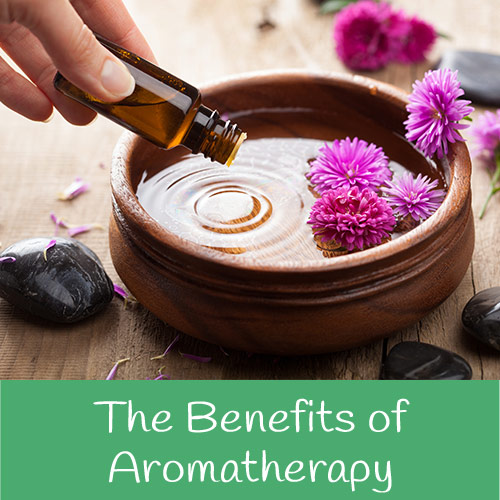
Aromatherapy is the therapeutic use of plant extracts (most commonly essential oils) to help heal:
– Physically
– Emotionally
– Psychologically
Unlike synthetic fragrances which are just made to smell good, essential oils are concentrated compounds that uniquely interact with our body. These compounds are extracted from:
- Flowers
- Bark
- Roots
- Leaves
- Resins
The word “aromatherapy” itself was coined in the 1930s by French chemist René-Maurice Gattefossé. After a lab accident, Gattefossé placed his burned hand into a vat of lavender oil and noticed its remarkable healing effect. This wasn’t the first time aromatherapy was used. The practice stretches as far back as:
- Ancient Egypt: Resins were burned in temples and used in embalming rituals.
- Traditional Chinese medicine: Incorporated aromatic herbs for thousands of years.
- Ayurvedic traditions in India: Scented oils were central to massage and healing ceremonies.
Why is Aromatherapy Used in Massage?
Weber Massage Therapy and Wellness incorporates aromatherapy to enhance your overall experience. It’s completely optional and free with your massage. It is typically used by incorporating:
- Topical Ointments: Your therapist may put some on your body, feet, or on the table (depending on what you need).
- Scent: Essential oils are put on a tissue near your nose to help open your airways to prevent stuffiness. It’s alternatively used in a diffuser to fill the room with a soothing aroma, helping you relax.
The Science Behind Aromatherapy
When you inhale an aromatic compound, the molecules travel through your nasal passage and bind to your olfactory receptor cells. These receptors send signals directly to your limbic system, the part of your brain that controls emotions, memory and autonomic functions like heart rate and breathing. No other sensory input has a more direct path to this part of the brain. This is why the faintest smell can instantly affect your mood and thoughts!
Other than inhaling essential oils, they can also be absorbed through the skin during massage, entering the bloodstream directly through your skin and benefiting your entire body.
Studies have shown that different compounds have different effects:
Lavender Oil
Lowers cortisol levels, reduces anxiety, and improves sleep quality.
Peppermint Oil
Affects cognitive alertness and headache relief (when applied topically).
Eucalyptus Oil
Clears respiratory pathways.
Frankincense Oil
Has grounding properties, used in meditation and to reduce inflammation.
Lemon Oil
Used to brighten your mood as well as a natural cleanser.
Chamomile Oil
Perfect for sensitive skin, stress, and easing digestive issues.
How to Use Aromatherapy
Some ways to use aroma therapy include:
Diffusers
A small device that disperses the essential oil into the air.
Topical Ointments
Essential oils are too potent to use by themselves and are diluted in a carrier oil like jojoba, sweet almond, or coconut oil. These oils can then be used in massage.
Baths
A few drops of oil are added to bath salts or a tablespoon of carrier oil and stirred into warm bath water.
Safety tips
- Always dilute essential oils before skin contact.
- Avoid applying citrus oils before sun exposure, they can cause photosensitivity.
- Consult a doctor before using aromatherapy if you are pregnant, have a chronic condition or are treating a child under two.
- Quality matters, so look for oils labeled as 100% pure with clear botanical names and sourcing information.
- Many essential oils are actually toxic to pets. Never use essential oils on pets, be very careful using diffusers with them around and keep them stored in a secure place that they cannot get into.
More Than Just Relaxation
Aromatherapy is more than just a luxury wellness trend, it’s a legitimate therapeutic practice that goes far beyond scented candles and bath bombs. It’s used in:
- Hospitals and palliative care settings globally.
- Athlete recovery programs.
- Therapist session rooms.
- School programs aiming to improve concentration during exams.
The reason why aromatherapy has stayed relevant for thousands of years and throughout many cultures around the world is the tried and true benefits that the practice delivers. Knowing how to use aromatherapy to better yourself mentally, physically, and psychologically is an immensely powerful, yet overlooked wellness tool.