



6 Common Misconceptions About Massage Therapy
Jump to topic:
1. Massage Is Just a Luxury | 2. Massage Should Always Hurt to Be Effective | 3. You Will Feel Great Immediately After Every Session | 4. Massage Is One-Size-Fits-All | 5. Anyone Can Give a Good Massage With Enough Practice | 6. Massage Is Only for People Who Are Stressed or Injured | Why This Matters
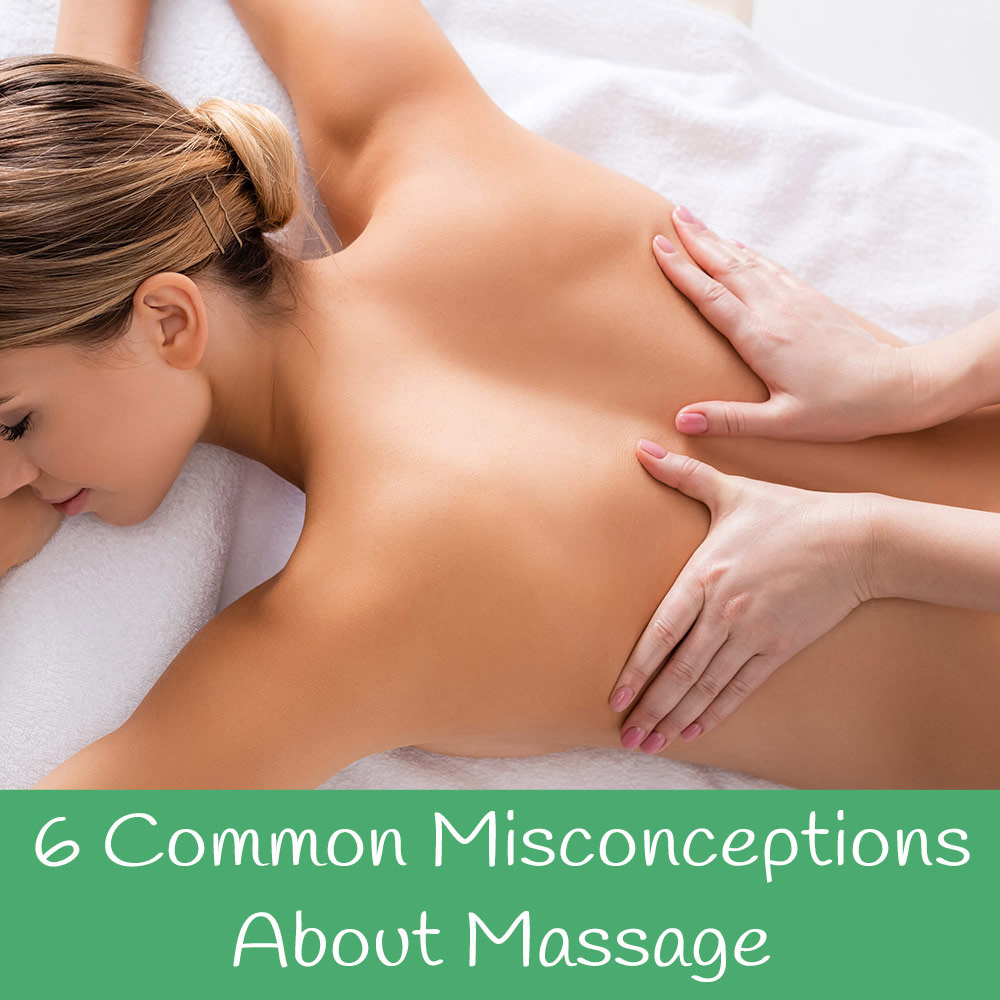
Massage therapy has been around for thousands of years, but it’s still one of the most misunderstood health and wellness practices out there. Plenty of myths surround it, from the idea that it’s just a luxury to thinking that deep tissue should be completely intolerable with aggressive pressure. Those misconceptions stop alot of people from experiencing what professional massage can actually do for them.
Let’s talk about the six most common misconceptions about massage therapy.
1. Massage Is Just a Luxury
Massage therapy is always associated with spas and relaxation, but that’s only part of the picture. It’s also a clinically recognized therapy used to address real health conditions such as:
- Chronic pain
- Sports injuries
- Postural dysfunction
- Anxiety
Research has shown that massage therapy can:
- Reduce cortisol levels
- Ease tension headaches
- Support immune function
Physical therapists, chiropractors and physicians regularly refer patients for therapeutic massage as part of their treatment plans.
2. Massage Should Always Hurt to Be Effective
Deep tissue work involves sustained pressure and can cause some discomfort in areas of chronic tension. But, there’s a huge difference between productive pressure and pain that triggers the body’s fight-or-flight response. When you experience actual pain during a session, your muscles contract and get tense. This is the exact opposite of what an experienced therapist is trying to do. A skilled massage therapist works at the edge of your tolerance, not past it, and relaxes problem areas prior to working on them.
3. You Will Feel Great Immediately After Every Session
It would be amazing if after every massage you felt completely rejuvenated. Don’t get us wrong, alot of the times you do, but in some cases it’s not realistic. Actually, it’s normal for first-time clients and people working through chronic tension to notice muscle soreness the day or two following a session.
Post-massage soreness is normal and quickly goes away. This is because your body is processing change:
- Your circulation has shifted
- Adhesions in your soft tissue have been worked on
- Your nervous system has been stimulated in new ways
To support recovery and make your next session more comfortable, be sure to:
- Drink water before and after your massage
- Rest
- Avoid intense physical activity afterward
- Taking a little walk after will get your lymphatic system moving, which will help with post massage soreness.
- Taking a warm epsom salt s bath will relax the body even more.
4. Massage Is One-Size-Fits-All
Requesting a specific style of massage is quite common, but people don’t realize how much variety exists within massage. The right approach to your treatment depends on your goals, health history, and body type.
Swedish, deep tissue, myofascial release, trigger point therapy, lymphatic drainage, prenatal massage, and sports massage are different styles with different goals and techniques that are used for treating different things. Someone recovering from a knee surgery needs something very different from someone wanting to manage stress. A good therapist will ask for your input and adapt their approach based on what you’re feeling. If your therapist doesn’t ask about your health history or goals before getting started, consider that a red flag.
5. Anyone Can Give a Good Massage With Enough Practice
Massage looks simple, but licensed massage therapists go through extensive training. Courses take between 500 and 1,000 hours depending on the state and cover:
- Anatomy
- Physiology
- Pathology
- Contraindications
- Hands-on technique
Not knowing what you’re doing anatomically while massaging can injure whoever you’re working on, even if you mean well. There’s a reason licensure exists, and it’s not just to check boxes. Real education is needed to understand:
- Which areas to avoid with certain conditions (blood clots, open wounds, recent surgeries, certain cancers)
- How to work safely around inflammation
- How body mechanics affect both the client and the therapist
6. Massage Is Only for People Who Are Stressed or Injured
Massage is often thought of as something you turn to when you have a stiff neck, a stressful week, or a pulled muscle. But using massage reactively means missing out on its most powerful benefits: prevention.
Regular massage can improve:
- Range of motion
- Support healthy posture
- Reduce the likelihood of overuse injuries
- Help athletes perform better and recover faster
Massage can help maintain mobility and mitigate damage from sedentary habits with older adults. Thinking of massage as maintenance amd something you do consistently (not just in response to an injury or stress) is what makes the real difference.
Why This Matters
Massage therapy is one of the most popular, and at the same time, most misunderstood wellness practices. Knowing fact and fiction can help you make better decisions about your health and maximize the benefits of every session you book.
If you’ve been debating trying massage or if you’ve had bad experiences in the past, one of these myths is most likely to blame.